
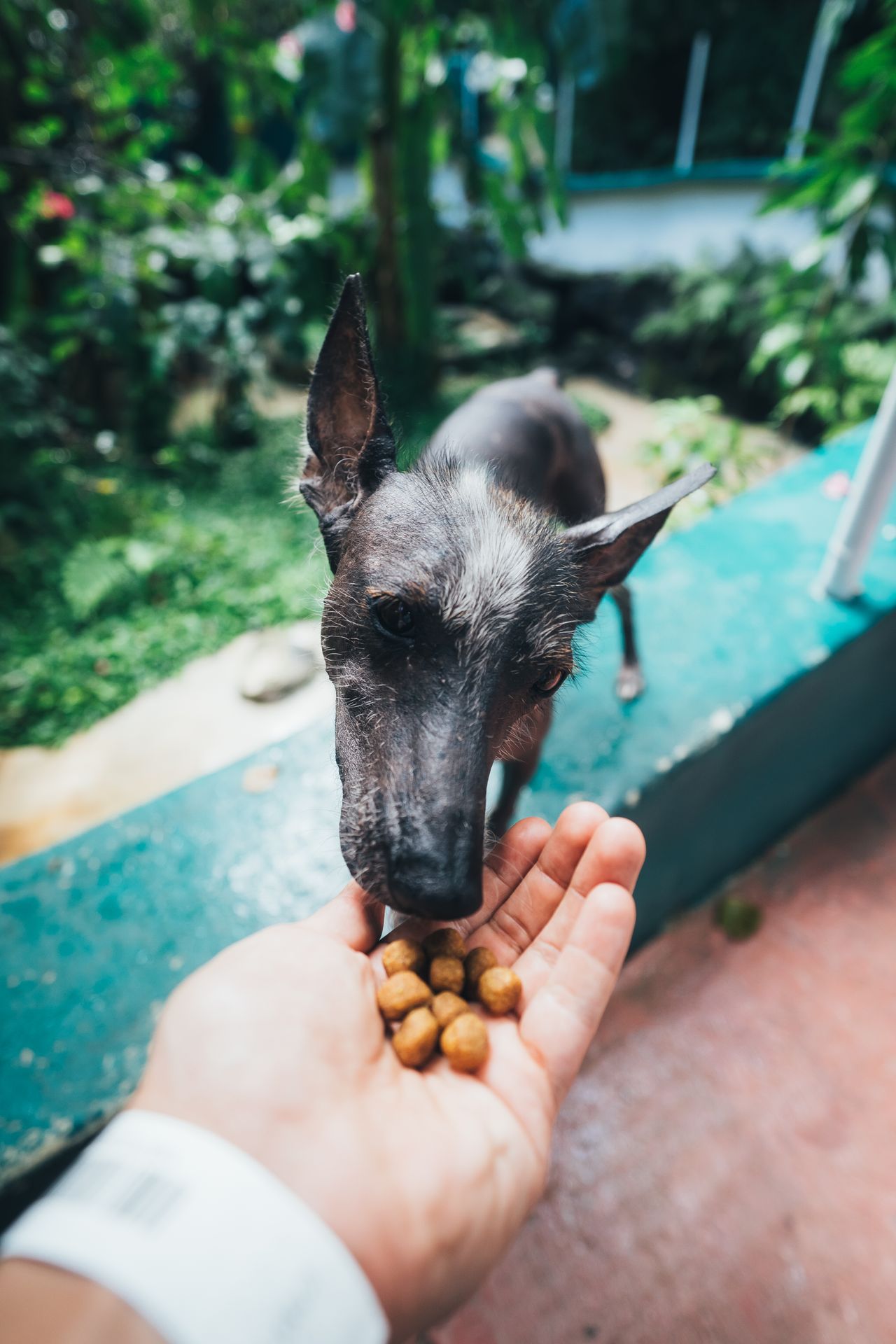

When I first come into a home for training I carefully assess the dog’s physical status. Hair coat, gait, eye clarity, reactivity level, weight etc. Too often the treats and food provided are negatively affecting the above. It’s hard to blame owners who are barraged with media advertising about various dog food formulations- from raw to gently cooked to highly processed kibble as well as grain versus no grain. This article will hopefully help owners make informed choices about their dog’s nutrition.
Grain v No Grain
Canines can metabolize and obtain good nutrition from rice, barley, sorghum, and oats but not wheat, corn, or rye! Primitive dogs, including Siberian Husky, Chow Chow, Alaskan Malamute, dogs of the Spitz family, Shiba Inu, Norwegian Elkhound, Pharaoh Hound, Shar-pei and Saluki, have largely avoided being crossed with other breeds and remain very similar to their wild ancestors. They also possess fewer genes for amylase (the enzyme responsible for starch digestion) production. These dogs may, accordingly, be less tolerant of grain containing kibbles. No grain formulations usually substitute sweet potato or peas for grain and are well tolerated. Overall, the less grain the better since your dog’s ancestral diet included little grain mostly obtained from the gut of their prey!
Raw
Ideally raw is the best food for a dog but it comes with some important considerations. Quality product and scrupulous preparation is needed to avoid bacterial or parasite contamination. Also, the time and cost involved in researching and preparing the proper raw canine food yourself makes this option impractical for most owners. You can’t just feed chicken and rice since there are numerous nutrients that must be added to make a complete diet. Some products like Bark & Whiskers® Meal Mix contain a proprietary vitamin and mineral mix, with a free Recipe Generator tool, which helps you create customized whole-food recipes, with your choice of eight different meats and a variety of vegetable and starch options. In the alternative you can purchase complete nutrition raw food from a reputable manufacturer like Albright’s. Their beef & chicken recipe contains Chicken Heart, Chicken with Bone, Beef Heart, Beef Kidney, Beef Liver, Eggs, Kale, Cranberries, High Oleic Sunflower Oil, Organic Dried Kelp, Cod Liver Oil.
Gently Processed
To avoid possible bacterial and parasite contamination of raw food diets, many owners are choosing food prepared using lower-temperature cooking/steaming. These brands use kill cycle heating at 160° to destroy bad bacteria and parasites which also preserves most of the nutrient profile of the food. Some brands, in addition, use air drying, which helps make their product room temperature shelf-stable and easy to serve. Others require refrigeration. Brands leading this innovation include: Freshpet, The Farmer’s Dog, Ollie, and Pets Table.
Kibble
Dry kibble was an invention of the dog food industry during World War II when protein was in short supply. Grain filler was added to the protein and processed at high heat to give the product shelf life. However, the high pressure and high-heat used (over 320°F), destroys essential nutrients and denatures proteins—making them harder to digest and more likely to cause allergic reactions in dogs. Natural beneficial microflora in the product also perishes! This is why ½ to two-thirds of the ingredient lists for dry kibble products include supplemental protein, enzymes, and probiotics!
Regarding the type of kibble/canned food to buy, make sure the first ingredient is a protein e.g., beef, venison, salmon, turkey etc. The second ingredient should be the meal form of the protein which usually includes animal organs. Fruit such as apples, blueberries, carrots and cranberries and vegetables such as sweet potato, yucca and spinach are also nutritious. Stay away from poultry/meat byproducts, bone meal, or animal fat. Avoid harmful preservatives such as BHT, Ethoxyquin, BHA, propylene glycol, and sodium selenite. I like Blue Buffalo, Nutro, Taste of The Wild and Costco (Kirkland & Nature’s Domain). Hydrate the kibble using warm broth to aid digestion since kibble is 10% moisture versus 70% moisture in their ancestral diet.
If your dog needs to lose weight, do not use a weight reduction formula. They are filled with wheat and corn and are poor nutrition. Instead, substitute 1/3 to 1/5 of your dog’s regular kibble with spinach, string beans, broccoli, carrots, peas, and other veggies he/she likes. Your dog will lose weight and feel full at the same time!
